How to Choose Shrink Film for Bundling Products: Types, Gauge and Equipment
· 7 min read · By Rob Puzio
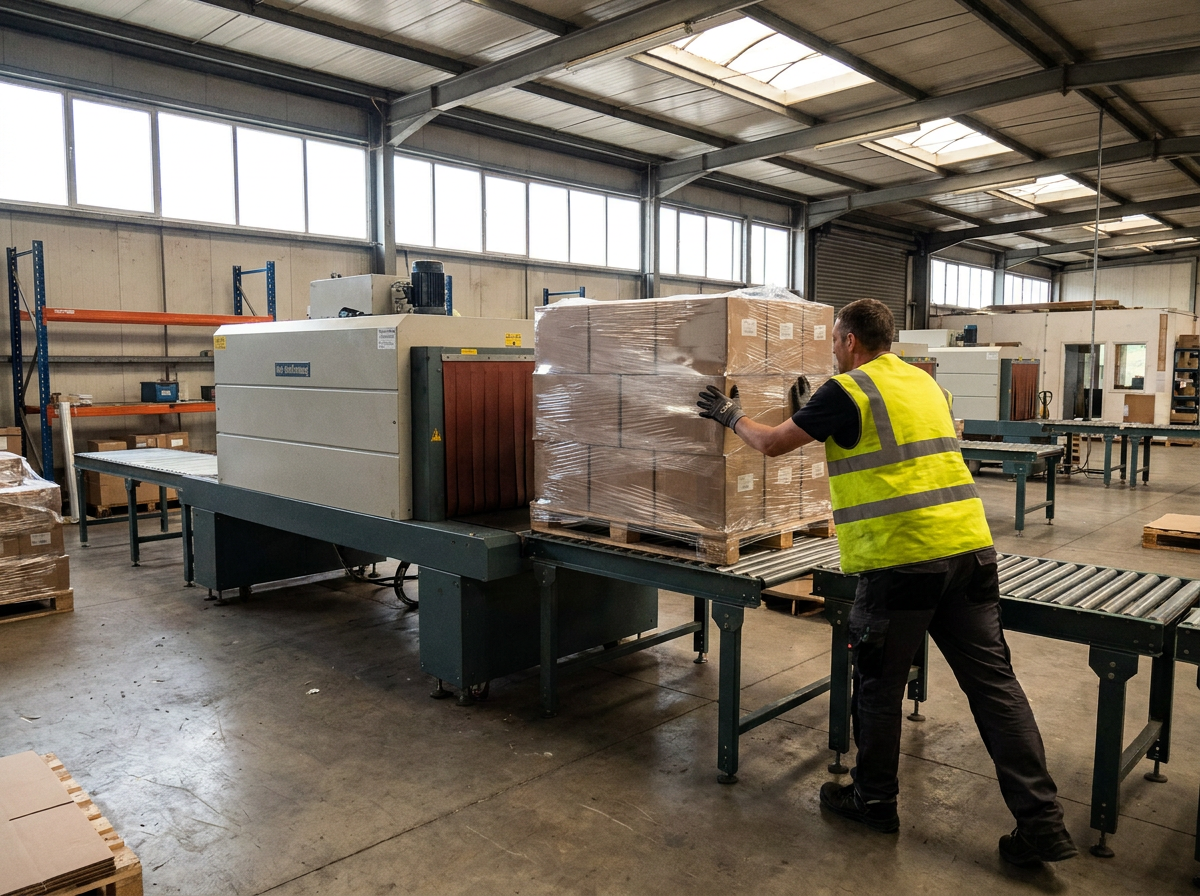
Shrink film looks simple until a bundle comes out loose, burned or full of holes. Most of those problems trace back to the same few choices: film type, thickness, width and the heat equipment behind it. Get those right and bundles stay tight, clear and easy to handle. Here is how to choose shrink film for bundling products without trial and error.
What shrink film actually does
Shrink film is a plastic film that tightens around a product when heat is applied. It is used to bundle multiple items together, protect single items from dust and moisture, and add tamper evidence.
The film is stretched during manufacturing and holds that stress until heat releases it. That is why the film pulls snug around the product in a heat tunnel or under a heat gun.
Before you pick a film, define the job. Are you bundling cases of bottles, wrapping a single boxed item, or covering a tray? The answer drives every other choice.
The three main film types
Most shrink film falls into three families. Each has a place.
- Polyolefin. A common all-around choice. It is clear, flexible, and seals at lower temperatures than PVC. It works well for retail packaging and bundling, and it is a frequent pick for food-adjacent products.
- PVC. Very clear and easy to seal at low heat, but it gives off fumes when sealed and needs ventilation. It is less common now for many applications.
- Polyethylene. A heavier, tougher film often used for bundling bottles, cans and bulky items. It is the usual choice when you need strength and load holding more than a glossy retail look.
Gauge: how thick should the film be
Gauge is the thickness of the film, often measured in gauge units or mils. Thicker film is stronger and holds heavier loads. Thinner film is cheaper per foot and shrinks tighter around small, light items.
A simple way to think about it:
- Light, small or delicate products usually do well with thinner film.
- Sharp corners and edges can puncture thin film, so use heavier gauge or protect the corners.
- Heavy bundles, such as multipacks of bottles, need a heavier film that can hold the weight.
- Ask for samples at two gauges and test them on your real product before you buy by the case.
Width and fit: get the film size right
Film comes on rolls in different widths and in different forms, such as flat sheet, centerfold and tubing. The film has to be large enough to wrap the product with some overlap, but not so large that it leaves loose, baggy corners after shrinking.
Measure the product at its largest cross section and the length of the pack. Then compare those numbers to the roll width and the seal method on your machine. If you are unsure, send us the dimensions and we will help you narrow it down.
- Measure width, height and length of the finished bundle.
- Note whether the pack needs to stay open at the ends or be fully enclosed.
- Tell us the machine you use, since the sealer type affects the film form you need.
Match the film to your heat equipment
Film and equipment have to work as a pair. A film that needs a higher temperature than your machine can deliver will leave weak seals and wrinkles. A film that shrinks at low heat can scorch in a hot tunnel.
Common equipment setups include:
- Heat guns for low-volume or odd-shaped jobs.
- L-bar sealers with a small heat tunnel for steady, mid-volume work.
- Sleeve wrappers and full tunnel lines for higher volume bundling.
Common shrink film problems and quick fixes
If bundles are not coming out right, check these first:
- Loose or baggy film. Often too much heat or film that is too wide for the pack. Check the tunnel temperature and the film size.
- Burn marks or holes. Usually too much heat or too slow a belt speed. Adjust one setting at a time.
- Weak seals. The sealer temperature may be too low, or the film may be dirty or wrinkled at the seam.
- Cloudy film. Can come from moisture or the wrong film type. Store rolls dry and away from heat.
- Crushed corners. Try a heavier gauge, or add corner protection to the pack.
One supplier for the film, the bundle and the label
A finished bundle usually needs more than film. It needs a label that scans, and sometimes a box or strapping. We are a Florida manufacturer with more than 40 years in the label business. We make labels in house, send proofs within 24 hours, and can quote packaging supplies, including shrink film and equipment, through American Price Mark.
Send us your product dimensions, bundle count and the equipment you use. We will recommend a film and quote it. We are open 8am to 8pm, seven days a week, so you can reach a person when a line is down.
Related: Get your free quote · Custom product labels · Barcode labels
Frequently Asked Questions
What is the best shrink film for bundling products?
It depends on the product. Polyolefin is a common all-around choice for clear, clean bundles, while polyethylene suits heavier items like bottle multipacks. Testing a sample on your real product is the best way to decide.
How thick should shrink film be?
Lighter products usually do well with thinner film, while heavy bundles or items with sharp edges need a heavier gauge. Ask for samples at two gauges and compare.
Do I need special equipment to use shrink film?
You need a heat source. A heat gun works for small jobs, while L-bar sealers and heat tunnels suit steady production. Match the film to the equipment you have.
Can you supply labels along with shrink film?
Yes. We manufacture custom labels in Florida and can quote shrink film and other packaging supplies in the same request.
Need Custom Labels or Packaging Supplies?
Florida manufacturer, 40+ years of experience, proofs in 24 hours. Open 8am to 8pm, seven days a week.
Get a FREE Quote